
A Rebbe once sent his chossid to me to ask my opinion about becoming a psychotherapist. He specifically wanted to know about what training would look like in regard to learning Kefirah, being exposed to liberal viewpoints, being exposed to non-Jews, sexuality, and mingling with other genders. I told the chossid that I didn't think I would be the right one to answer his questions. A few minutes later the Rebbe called me. He said to me, "Please tell my chossid everything you think about what it means to be a good therapist. Let me talk with him about whether he should or should not do it."
I called the Chossid back and said to him, "oib azoi..." and I told him what I thought. The next day the Rebbe called me and thanked me. And said to me, "I told my Chossid not to go to a segregated program where they take out the kefirah and liberal viewpoints. He has a cheshek for psychology and wants to be a therapist. If he is going to do it, the only way I will let him do it is if he does it right. I wanted him to speak to someone who thinks like a therapist. The only question is whether it is the correct thing for him to do..."
I don't know whether this Chossid became a therapist or not. I do know that my convictions about what it means to be a therapist became stronger through that conversation. I am also not opining about the pros and cons of frum segregated training programs.
Here are a few thoughts that feel currently relevant to share about what it means to be a therapist.
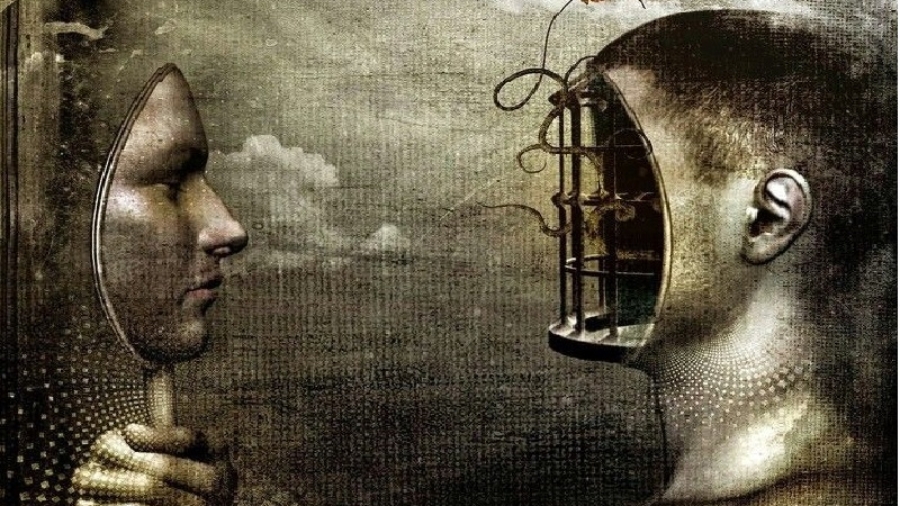
There is a difference between thinking about psychology and thinking psychologically or developing a psychological attitude. As a religious person, especially for someone who has lived most/all of their lives with a religious attitude towards life, the challenge of becoming a mental health professional is the need to learn how to think and experience the world psychologically.
To think psychologically, essentially, means to see oneself as a psychological being. To be of the psyche. A self. To have a primary psychological view of oneself means to reflect on and contemplate one's life as it pertains to their psychological experience of life. What did this moment mean to me? How did I experience it? What were my reactions to it? Is there something in my personal past that contributes to how I experienced and reacted to that? Is there something more I can learn about myself through this experience?
This is not the same as having a religious view of oneself. Nor does having a psychological view of oneself necessarily conflict with having a religious view of one's self. To have a primary religious view of oneself means to reflect on and contemplate one's life as it pertains to their religious belief and experience of life. What is my own belief and relationship with God? What is my relationship with ritual and devotional commitments? What does my tradition mean to me? How do I belong with my social and cultural groups?
And then, of course, there is the psychologically religiously oriented path that might blend the two. How does my religious life impact my psychological functioning? What in my psychological life contributes to my religious functioning? What is my kavanna like? What does this aspect of my religious life mean for me psychologically.
Fundamentally though, a mental health professional must develop a strong psychologically oriented view of themselves. The personal work of every MHP is their continued psychological self-reflection. Without it MHP's do a great disservice to themselves and to those who seek them out.
To deepen this conversation, religious thinking can often promulgate hierarchical binary thinking. This means to reduce things by thinking about them both as
1. Either-or and 2. One thing is better than the other. Psychologically speaking this does not translate well. I am not merely referring to religious morals and value systems. But I am thinking about the psychological pitfalls of binary thinking. As well as the way the "inner critic" and the ego's wish for perfection turns everything into a right-and-wrong, hoping for the right and blaming for the failures.
I am not against hierarchies and binaries. But thinking psychologically means to constantly develop the openness and curiosity to know what is happening psychologically. It also means to expose, tolerate, and have a deep reverence for all things dark and evil. By reverence I mean to acknowledge and be in awe of the capacity for dark and evil things to grip people and destroy lives. To not deny its existence. To have a deep reverence for suffering. Our own suffering too.
To develop a psychological attitude, we must be open to Eros, to love, to the heat generated by the intimacy with the variety of different people who seek us out. To develop a psychological lens through which we constantly spend time and devote attention to our own relational patterns, desires, failures, rough edges. To confront our own sexuality. Not merely because our patients might talk about their sexuality or we might react to one of our patients but because of how powerful a role sexuality plays in psychology.
And not just sexuality but the body and everything essential to this corporeal existence. What is my relationship with my body? My health? Money, dress, desires, drives, character traits. Our own contentment, our own meaning, our own callings, our own alignments with our psychological make-up, our own fulfillment, and our own disappointments.
Thinking psychologically is crucial for a MHP. And so is thinking religiously. While I don't think these are incompatible, I do think both ways of thinking are not the same. The weightiness of the responsibility placed on the frum MHP is the ability to develop both and have these two life perspectives in conversation with each other. One is about relationship with Self and the other about relationship with Hashem.
No one ever fully knows themselves, but the dictum for MHP's ought to be "Know Thyself" or in Hillel's language: "אם אני כאן הכל כאן ואם איני כאן מי כאן". Developing a psychological attitude alongside a devotion to a psychologically minded life is a crucial key to the training and ongoing life of a MHP. We need it for the people we serve, for the people we love, and we need it for ourselves.
And, I believe, it is what Hashem wants from us too.
 Previous